

In this exclusive conversation, Shradha Agarwal, Co-founder and CEO of Grapes, reflects on her journey from early corporate roles to leading one of India’s most agile and future-ready marketing agencies. She talks about how curiosity shaped her leadership philosophy, the evolution of Grapes from a digital agency to a full-scale brand ecosystem, and the balance between human creativity and AI innovation. As the company expands globally, Shradha shares insights on maintaining culture across markets, empowering teams, and nurturing the next generation of digital thinkers through clarity, empathy, and constant learning.
Over the years, you’ve moved from roles in large organisations (Airtel, Interactive Avenues, etc.) into entrepreneurship and leadership. Looking back, which decisions or moments do you feel were most pivotal in shaping how you lead Grapes today?
I started very young, so curiosity became my biggest strength. Every Monday when new projects were announced, I’d raise my hand even without knowing what the project was. That simple “yes” shaped my entire leadership approach. It taught me that learning doesn’t wait for experience. You grow by doing, not by preparing. Over time, that attitude built adaptability and accountability, qualities I value most at Grapes Worldwide today. I don’t need people who know everything; I need people who are willing to learn anything. Because real growth begins the moment you stop fearing what you don’t know.
When Grapes first started, what was your vision of the agency? Over time, how has that vision evolved to respond to changing client needs, technology, and market dynamics?
When I started Grapes, it was a digital agency. But growth comes only when you evolve with the consumer’s real problem, not the industry’s trend. The goal was never “how to do more on digital,” it was “how to build brands people love and pay more for.” Over time, that meant expanding beyond digital into media, PR, influencer, and now AI because the platforms may change, but the problem stays the same. We exist to help brands earn loyalty, not just visibility. The moment you stop evolving around the consumer, you risk becoming the next Kodak.
As Grapes Worldwide expands globally (e.g. the London office), how do you manage the tension between maintaining core culture/identity and adapting to local market demands?
At the core, people everywhere want the same things love, respect, money, and safety. What changes is the cultural context around those needs. So when we expand into new markets like London, we build teams that deeply understand local culture, language, and insights. They shape the core idea. Then our global team ensures strong execution. This balance between local understanding and global excellence keeps our culture intact while staying relevant. It’s how we expand efficiently by dividing energy between thinkers who localize and doers who scale, ultimately delivering meaningful, value-driven work for clients everywhere.
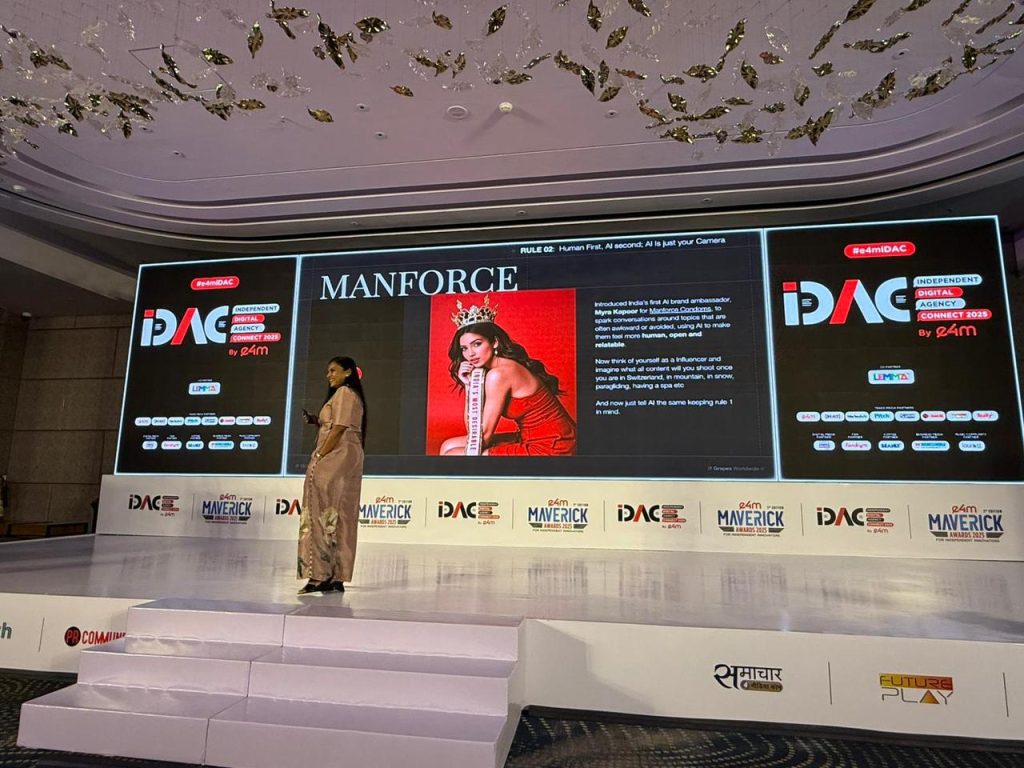
You’re speaking next at e4m-iDAC on “human-centric AI.” In your current role, how do you see AI reshaping the creative process inside your teams and what guardrails do you put in place to ensure authenticity, empathy, and trust?
AI, to me, is what the internet was to one generation and the computer to another it’s that defining shift. It’s not here to steal jobs; it’s here to make us sharper, faster, and more creative. Earlier, when we made one film, we spent weeks ideating, planning, and firefighting. Today, AI lets us do that in a shot freeing up time for what truly matters: thinking bigger.
Human-centric AI, for me, is about balance. Authenticity in AI is simpler than people make it sound; it starts with writing prompts that feel real. The emotion you feed in is the emotion you get out.
We were already using CGI in many of our films to build aspiration and tell stories that made people dream bigger. AI is just the next layer that helps us create the same emotion, only faster and more efficiently. The guardrail is intentional. If your intent is to connect, not just impress, the output will always carry empathy and trust. It’s not about replacing the human touch; it’s about scaling it.
With clients increasingly cutting spends, shifting between agencies, and demanding more for less, how do you differentiate Grapes in such a volatile environment? What strategies do you use to retain clients and maintain margins
It’s a million-dollar question because the truth is, we’re in one of the most competitive markets in the world. In a country of 1.4 billion, it’s easy for anyone with four laptops and a few smart people to start an agency. What’s hard is staying relevant.
At Grapes, our edge is simple: we solve problems, not just make ads. Clients don’t want to get stuck in silos; they want a one-stop partner who saves time, reduces cost, and still delivers quality. That means building strategies that connect the dots from data to storytelling to measurable business outcomes.

We use AI and automation to bring speed, efficiency, and cost optimization, but the real differentiation still comes from human thinking, the ability to structure chaos into strategy. Technology can generate ideas, but it can’t build context. That’s where we step in. Our clients stay because we take their load off. Whether rich or poor, every client values time. If you can save them time and mental bandwidth while delivering better work they’ll never look elsewhere. That’s been our formula for retention, growth, and trust in a volatile market.
As CEO & co-founder, how do you balance being visionary (future-forward) and operational (day-to-day execution)? What routines, philosophies, or leadership practices help you stay grounded?
It’s honestly one of the toughest parts of being a founder especially when you’ve grown from ground zero. In the early years, you’re everything: the guard, the cleaner, the finance guy, the sales head, and the creative lead, all in one. Detaching from that and trusting others takes time.
After 12 years of entrepreneurship, I’ve learned one thing: scale begins when you start replacing yourself. Every three months, if you can hire someone smarter than you to take over what you’ve been doing, you free yourself to think ahead.
That’s how I balance vision and operations. I focus my energy on what’s next, new technologies, new opportunities, and new markets while building a team that’s empowered to run today. The trick is to stop being the doer and start being the enabler. When you build leaders who can run without you, you finally have time to lead.
Given your involvement in academia (Ashoka, etc.) and your public thought leadership, how do you see the role of mentorship and industry education in shaping the next generation of digital marketers and how does that reflect in how you build your team?
The biggest gap I see in our industry isn’t creativity, it’s clarity. We don’t teach people how to structure their thoughts and communicate them well. In our world, that’s called a brief. And a good brief is half the job done. Every marketer should know how to give clear instructions on what needs to be done, what outcome is expected, and what success looks like with solid references and context. That discipline builds stronger work and faster turnarounds.
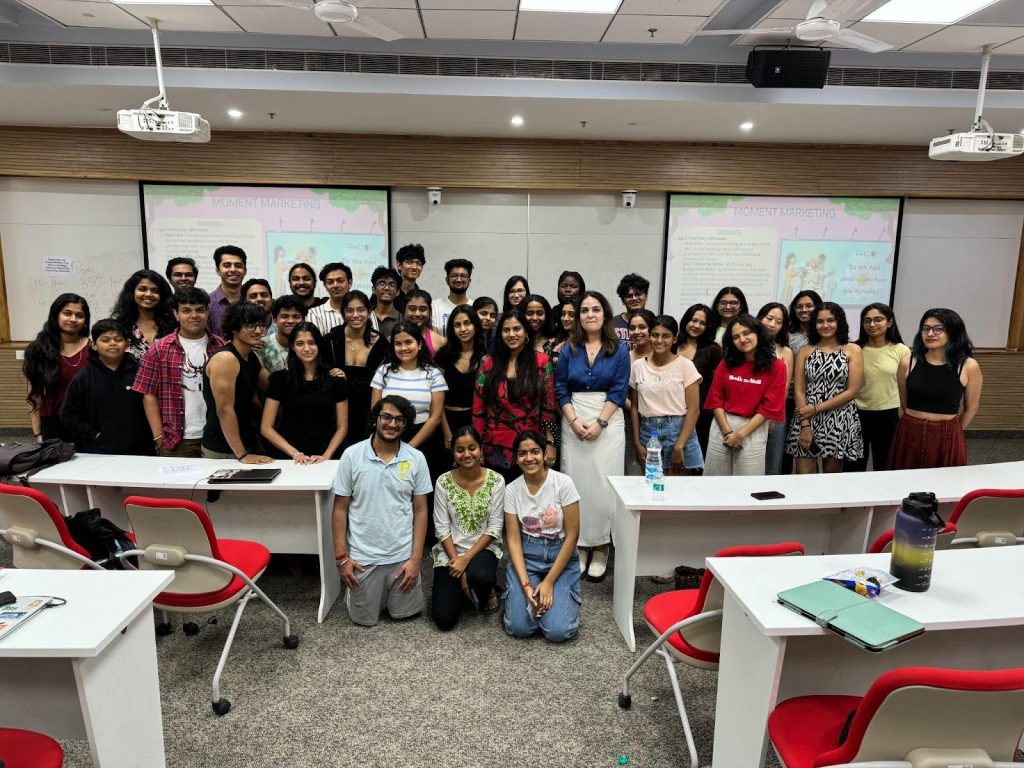
In academia and inside Grapes, I focus on these two core skills: research and structure. If you can research deeply and structure your ideas clearly, you’ll always find your way to a sharper strategy and a stronger GTM. Mentorship, to me, isn’t about giving gyaan it’s about shaping thinkers who can problem-solve with logic and empathy. The next generation of marketers will define India’s global footprint, and our job is to give them the tools to think better, not just work harder.