
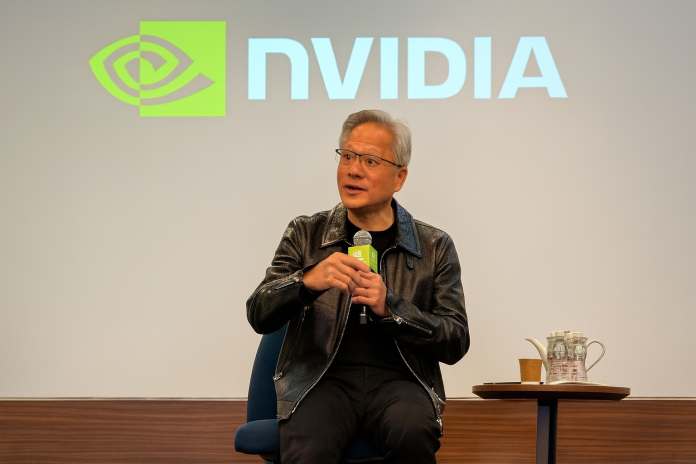
Speaking at CES 2026, NVIDIA CEO Jensen Huang reframed the automation debate by describing robots as “AI immigrants” technologies entering the workforce to fill labour gaps rather than replace humans. Highlighting global labour shortages in the tens of millions, Huang positioned robotics and AI as catalysts for productivity, manufacturing growth, and resilience in ageing economies.
Why This Matters
The global workforce landscape is under pressure from:
- Severe labour shortages across industries
- Ageing populations in major economies
- Slowing productivity growth
- Persistent fear of AI-led job displacement
Reframing AI as a complement, not a competitor, shifts the narrative from risk to opportunity.
From Automation Anxiety to Economic Enablement
Huang’s framing positions AI-driven robotics to:
- Support industries struggling to hire at scale
- Boost manufacturing efficiency and output
- Enable economic participation in ageing societies
- Create new categories of AI-adjacent jobs
Rather than replacing workers, robots are presented as workforce multipliers.
Strategic Takeaways
1. Narrative Shapes Adoption
Positioning AI as a helper accelerates societal and enterprise acceptance.
2. Labour Shortages Are AI’s Real Use Case
Automation solves supply gaps, not just cost pressures.
3. AI Is a Job Shifter, Not a Job Killer
New roles emerge as productivity scales.
As AI and robotics move from experimentation to infrastructure, leaders like Jensen Huang are reshaping how the world understands work, growth, and human–machine collaboration. The message is clear: the future of work isn’t about replacement it’s about reinforcement.This isn’t just a quote.It’s a reframing of the AI era.