
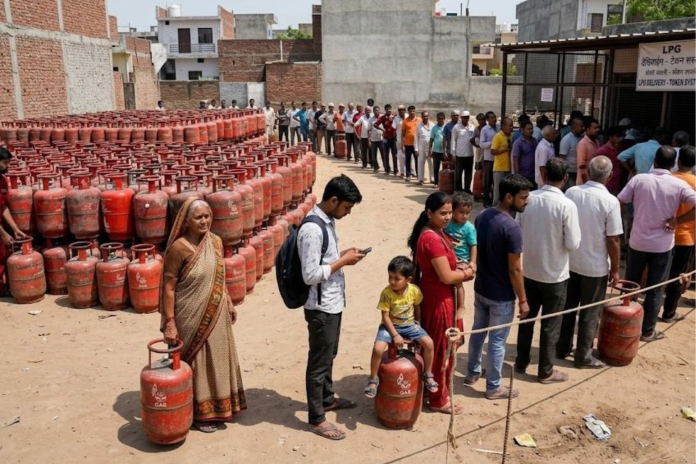
In the past few weeks, something unusual has started happening in kitchens across India.
Restaurants are cutting items from their menus. Street vendors are increasing prices. And households are rushing to buy induction cooktops.
The reason? A growing LPG cylinder supply disruption that is beginning to ripple through India’s food ecosystem.
A Supply Shock From Thousands of Kilometers Away
The current crisis isn’t just a domestic supply issue. It’s tied to global geopolitics.
India imports a large portion of its LPG from the Middle East, and disruptions in shipping routes particularly around the Strait of Hormuz have slowed deliveries of cooking gas to the country.
As shipments stalled, LPG consumption in India dropped sharply, falling over 17% year-on-year in early March, highlighting how dependent the country is on global supply chains for its cooking fuel.
While authorities insist the situation is temporary, the effects are already visible on the ground.
Restaurants Are Feeling the Heat First
Commercial LPG cylinders power much of India’s food industry—from roadside stalls to large restaurant chains.
And many businesses are already struggling.
Some eateries have reduced their menus, cutting dishes that require long cooking times or high heat. Others have turned to firewood, coal, or electric cooking appliances just to keep their kitchens running.
In certain cities, shortages have even forced restaurants to raise menu prices as operating costs surge.
For small food businesses that run on tight margins, fuel availability can make the difference between profit and shutdown.
Panic Buying Is Making Things Worse
Whenever essential supplies appear uncertain, demand spikes.
That’s exactly what’s happening with LPG.
In some cities, domestic gas bookings surged dramatically, overwhelming distribution systems and creating long queues outside gas agencies.
Authorities have warned consumers against panic booking cylinders when they still have gas left, because it worsens supply bottlenecks and delays deliveries for households that genuinely need refills.
In other words, fear of a shortage can sometimes create the shortage itself.
Induction Cooktops Are Suddenly in High Demand
One of the most interesting side effects of the LPG crisis is the surge in demand for electric cooking alternatives.
Induction stoves have started flying off shelves in several cities as households and restaurants look for backup options.
Retailers report that quick-commerce platforms and local stores are running out of stock in some neighbourhoods due to panic buying.
It’s a reminder that consumer behavior can shift very quickly when essential infrastructure becomes uncertain.
Governments Are Trying to Stabilize Supply
To manage the crisis, authorities have begun prioritizing LPG distribution.
Hospitals, airports, and essential services are being placed at the top of the supply chain while policymakers monitor deliveries closely.
Meanwhile, cargo ships carrying tens of thousands of tonnes of LPG are arriving at Indian ports to ease the shortage and stabilize supply.
Officials maintain that domestic household supply will remain protected even if commercial users face temporary restrictions.
What This Crisis Really Reveals
Beyond the immediate shortages, this situation exposes something bigger:
India’s kitchens, both at home and in the food industry are deeply connected to global energy flows.
A disruption thousands of kilometers away can suddenly influence restaurant menus, street food prices, and everyday cooking habits.
For consumers, it may mean experimenting with new appliances or cooking methods.
For businesses, it may mean redesigning operations around energy efficiency.
And for policymakers, it’s a reminder that energy security isn’t just about electricity or oil, it’s also about something far more ordinary:
the gas cylinder in the kitchen.