
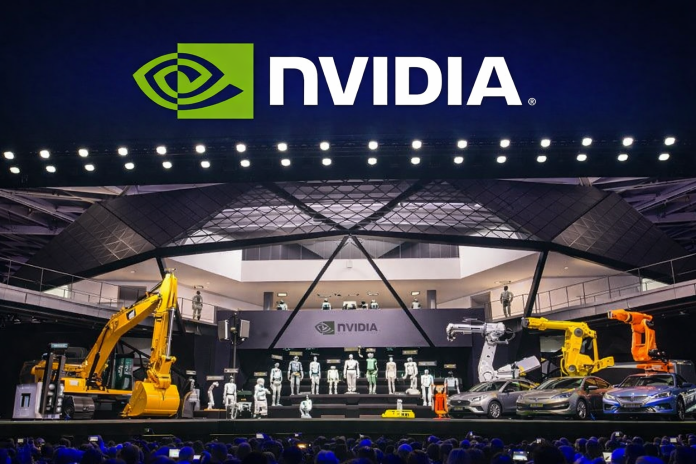
At the GTC conference, Jensen Huang described the current phase of self-driving technology as the “ChatGPT moment” for autonomous vehicles, signalling a potential inflection point for the industry.
NVIDIA is accelerating its push into autonomy through partnerships with major automakers including Hyundai Motor Company, Nissan Motor Corporation, Isuzu Commercial Truck of America, Inc., BYD, and Geely. These collaborations will deploy NVIDIA’s Drive Hyperion platform to support Level 4 autonomous driving, where vehicles can operate with minimal human intervention in defined environments.
Despite progress, most vehicles today remain at Level 2 autonomy, offering driver assistance rather than full self-driving. However, competition is intensifying, with companies like Waymo, Tesla, Uber, and Zoox continuing to advance autonomous capabilities.
NVIDIA is differentiating itself by building a full-stack ecosystem, combining AI chips, simulation platforms, and in-vehicle software. Its broader partner network includes Aurora, Nuro, Sony, Stellantis, and Lucid Motors. This integrated approach allows automakers to develop, test, and deploy autonomous systems more efficiently.
The journey hasn’t been without challenges, as seen with setbacks at Cruise. However, rapid advancements in AI, simulation, and compute power are helping the industry overcome earlier limitations.
Is this the turning point?
The convergence of AI breakthroughs, stronger partnerships, and scalable platforms suggests the industry may be entering a new phase of acceleration—though widespread Level 4 adoption will still depend on regulation, safety validation, and real-world performance.
Bottom line: NVIDIA’s ecosystem-led strategy could help push autonomous driving closer to mainstream adoption, marking a potential turning point in the evolution of self-driving technology.