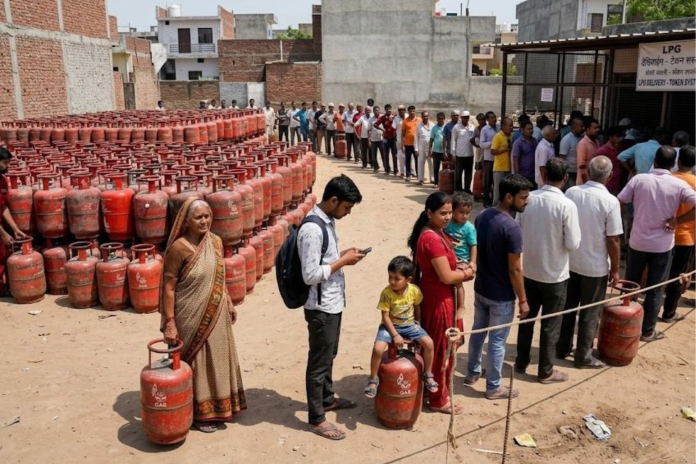
Over the past few weeks, India’s LPG disruption hasn’t just changed how people cook; it’s quietly reshaping how brands communicate.
What began as a supply shock tied to global shipping disruptions has evolved into something bigger: a real-time case study in reactive marketing, consumer behaviour, and category shifts. While households scramble for alternatives and restaurants rethink operations, brands, especially in the appliances and kitchen-tech space, are moving fast to meet the moment. And in doing so, they’re not just selling products. They’re inserting themselves into a cultural shift.
A Crisis That Created a New Consumer Mindset
India’s dependence on LPG is massive. Over 300 million households rely on it as their primary cooking fuel. A 17% year-on-year drop in LPG consumption in early March signals behavioural disruption at scale.
This creates a rare marketing window:
- High urgency
- High search intent
- Low brand loyalty
Consumers aren’t exploring, they’re solving, and brands know it.
Instead of waiting for long-term campaigns, many have pivoted instantly, turning a supply crisis into a demand opportunity.
From Utility to Urgency
Induction cooktops have existed for years, but mostly as secondary appliances. This crisis changed that overnight. Now, brands are reframing them as:
- Primary cooking solutions
- Reliable backups
- Modern upgrades
And the shift is happening in real time, especially on Instagram.
Real-Time Marketing in Action
Example 1: Turning Crisis Into Everyday Relevance
Right as LPG conversations surged, brands began subtly reframing induction as essential.
👉 https://www.instagram.com/p/DV09uTyj5I8/
What’s happening:
- No direct mention of “shortage”
- But a clear signal: this is the smarter way to cook now
- Visual-first storytelling for quick consumption
Why it works:
It taps into an existing emotion without amplifying fear.
Example 2: The “Backup Plan” Narrative
Another strong pattern: positioning induction as something every kitchen should already have.
👉 https://www.instagram.com/p/DVvZniED3Jx/
What this does:
- Creates urgency without panic
- Frames the purchase as smart, not reactive
- Uses everyday kitchen situations
Consumer insight:
Indian households don’t replace systems; they add backups, and brands are leaning into that behaviour.
Example 3: Speed, Convenience & Independence
Some brands are going sharper, focusing on freedom from gas dependency.
👉 https://www.instagram.com/p/DV0Fls5E85r/
Content direction:
- Fast cooking visuals
- Clean, modern kitchens
- Messaging around control and efficiency
Underlying idea:
Not just “what if gas runs out”
But → “why depend on it at all?”
The Numbers Behind the Shift
This isn’t just marketing noise, it’s backed by real movement:
- 17% drop in LPG consumption (early March) (industry trend reported across news coverage of the ongoing supply disruption)
- Massive spike in induction demand in some cases:
- 30× increase in sales on platforms like Amazon India
- 5× to 30× surge within days on quick-commerce platforms
- Up to 75% growth in retail sales in certain markets
- Search demand at record highs, with Google Trends showing peak interest for induction stoves during the crisis
- Quick-commerce and retail stockouts reported across cities as demand surged
For a category that was previously “optional,” This is explosive growth.
What This Means Beyond Appliances
The LPG crisis highlights a larger truth:
Relevance isn’t planned. It’s seized.
Brands that win:
- Move fast
- Stay contextual
- Offer real utility
This opens opportunities across categories:
- Cookware → induction-friendly products
- Food brands → quick-cook formats
- Energy startups → electric alternatives
A crisis creates ripple effects, and smart brands ride them.
A Kitchen-Level Reminder
At its core, this situation reveals something deeper: India’s everyday cooking – something deeply local is tied to global supply chains. A disruption thousands of kilometres away can:
- Change menus
- Increase food prices
- Reshape consumer behavior
- And now, influence brand communication
Final Thought
The LPG crisis may be temporary, but the behaviour shift might not be.
Once consumers experience alternatives like induction:
- Some will switch permanently
- Others will keep backups
- Expectations from brands will evolve
Because in moments like these, people don’t remember who advertised the most. They remember who showed up with a solution.