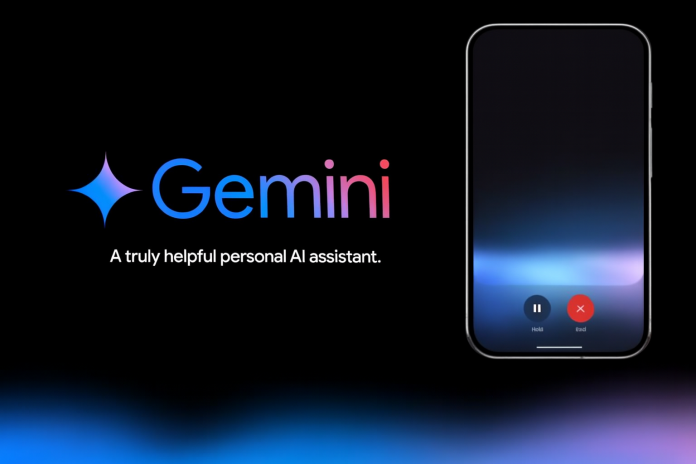
Google has expanded Gemini’s multimodal capabilities with two major updates:visual image editing through direct annotation and AI-generated video detection via SynthID.Together, these features signal a shift in how AI tools are designed, used, and trusted moving from complex text prompts toward more intuitive, human-first workflows, while strengthening safeguards around synthetic content.This isn’t just a feature update.It’s a product philosophy statement.
From Text Prompts to Visual Interaction
With the new update, Gemini users can now edit images by drawing, highlighting, or annotating directly on photos. Instead of describing changes in text, users can simply point, mark, or sketch what they want adjusted.
Why this matters:
- Lowers friction for non-technical users
- Makes AI more accessible in creative and professional workflows
- Speeds up iteration by reducing prompt ambiguity
- Brings AI closer to natural human interaction
This approach reflects a broader trend in AI UX:
the future of prompting is visual, not verbal.
Expanding Trust: SynthID Comes to Video
Google has also extended SynthID, its AI watermarking and content identification system, to videos up to 90 seconds.
This allows AI-generated or AI-modified video content to be:
- Cryptographically tagged
- Detectable without altering visual quality
- Verified across platforms
In an era of deepfakes, manipulated media, and generative video at scale, this move strengthens content authenticity and accountability without slowing down creators.
Trust, not just capability, is becoming a core differentiator in AI platforms.
Why This Update Matters
Taken together, these changes highlight three strategic priorities for Google:
1. AI as a Daily Tool, Not a Power User Product
By reducing dependence on text prompts, Gemini becomes usable for designers, marketers, educators, and everyday consumers not just AI-native users.
2. Trust as Infrastructure
AI detection and verification are no longer optional add-ons. They are foundational to adoption across media, marketing, and public discourse.
3. Multimodal Is the New Default
Image, video, and text are converging into a single interaction layer where users think visually and act instantly.
Implications for Marketers and Creators
For digital marketers and content teams, these updates unlock:
- Faster visual edits without design-heavy workflows
- Safer use of AI-generated video in campaigns
- Greater transparency in AI-assisted content production
- Reduced reputational risk from synthetic media misuse
AI is becoming both more powerful and more governed—a balance regulators, brands, and platforms have been pushing toward.
The Bigger Picture
As generative AI scales into everyday workflows, the winners won’t be those with the most advanced models alone but those that combine:
- Ease of use
- Multimodal fluency
- Built-in trust and verification
Google’s Gemini updates show a clear direction:
AI that feels natural to use and responsible by design.With visual image editing and AI video detection, Google Gemini is moving beyond prompt engineering toward intuitive interaction and content trust.This marks a meaningful step in AI’s evolution from experimental tool to reliable, everyday companion.The future of AI isn’t just smarter.It’s clearer, safer, and easier to use.