
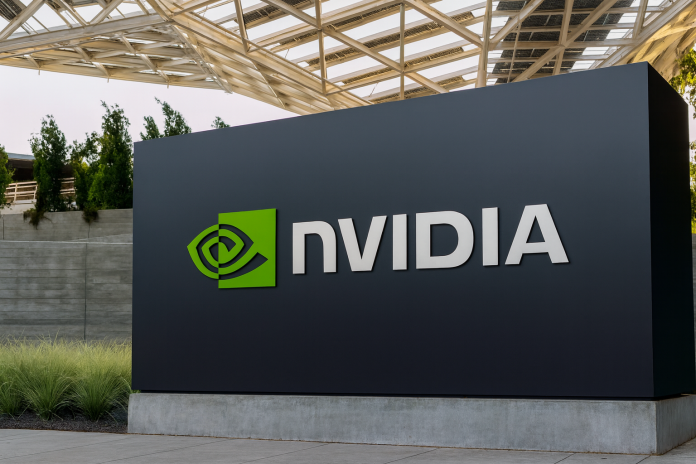
NVIDIA has acquired roughly 4% of Intel Corporation, investing $5 billion through 214.7 million shares. The move signals unprecedented collaboration between former rivals, positioning both companies to leverage complementary strengths as AI-driven demand reshapes data centre architectures.For Intel, the capital injection boosts balance-sheet resilience amid manufacturing pressures. For NVIDIA, it ensures strategic CPU access to scale AI workloads underscoring the growing interdependence in the semiconductor ecosystem.
Why This Matters
The semiconductor industry faces:
- Rapidly expanding AI and cloud workloads
- Intensifying competition across chip design and fabrication
- Strategic need for ecosystem partnerships over pure rivalry
- Pressure to align capital, production, and innovation pipelines
This deal exemplifies how market leaders are rethinking collaboration to address technology inflection points.
Strategic Implications
1. Rivalry Gives Way to Strategic Alignment
Former competitors are partnering to accelerate AI capabilities.
2. Capital Meets Capability
Intel gains financial strength, NVIDIA secures operational leverage.
3. AI Drives Cross-Industry Integration
Semiconductor strategies increasingly hinge on platform-level synergy, not standalone dominance.
As AI continues to redefine computing, partnerships like NVIDIA-Intel highlight a strategic shift: collaboration is now essential to meet surging demand and drive technological leadership. This is more than an investment it is a blueprint for shaping the next-generation chip landscape.