
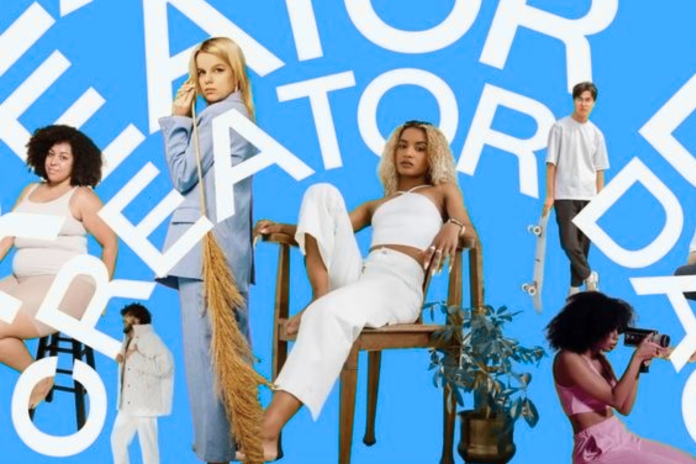
Attention is the new distribution.
And creators own it.
For decades, founders built products while marketing teams built perception. That separation no longer works. In a world where algorithms decide visibility and trust decides conversion, the founders who win are the ones who show up like creators consistently, transparently, and natively on platforms where culture is shaped.
The modern startup doesn’t just need a brand strategy. It needs a content strategy led from the top.
The Shift: From Corporate Messaging to Human-Led Narratives
The old playbook was simple: raise capital, run ads, hire PR, issue press releases.
The new playbook?
Build in public. Share lessons. Show the journey. Speak directly to your audience.
Today’s consumers don’t trust logos. They trust faces.
Creators understand three things most founders ignore:
- Consistency builds memory.
- Personality builds loyalty.
- Transparency builds trust.
When founders adopt this mindset, marketing stops feeling like promotion and starts becoming community-building.
Look at Kusha Kapila. She didn’t just build an audience. She built a personal brand strong enough to evolve into multiple business extensions, collaborations, and digital ventures. Her audience followed her personality first, and the business came second.
Now compare that with founders who hide behind polished LinkedIn posts written by agencies. The difference in engagement is obvious.
Founder-Led Content Is Outperforming Brand-Led Advertising
There’s a reason investors increasingly evaluate founder presence on platforms like LinkedIn, Instagram, and YouTube.
Because visibility compounds.
Take Whole Truth Foods. Its founder has consistently shown up on Instagram and LinkedIn, breaking down ingredients, calling out food industry myths, and speaking in plain language. The tone feels less like a corporate brand and more like a creator educating their audience.
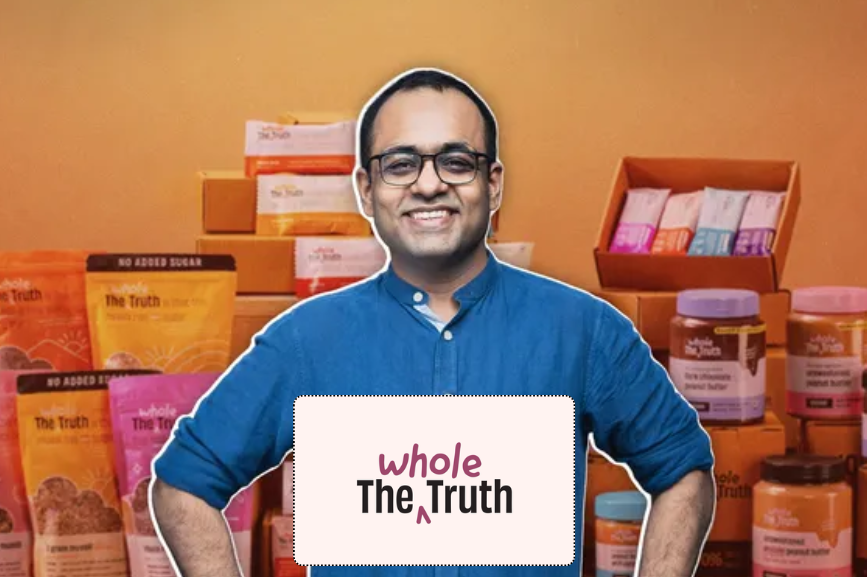
Long before The Whole Truth sold its first protein bar, it was a blog.
Shashank Mehta, then a marketing professional at Hindustan Unilever (HUL), had begun writing about his struggle with obesity and what he saw as a deeper problem on supermarket aisles: packaged food that claimed to be healthy but hid behind technicalities and fine print.
That creator-style communication has helped the brand build credibility in a sceptical D2C ecosystem.
The founder isn’t “marketing.”
He’s storytelling. Repeatedly.
And repetition builds recall.
The Data Proves the Shift
This isn’t just anecdotal.
1. Trust in Individuals vs Brands
The Edelman Trust Barometer consistently reports that people trust “people like themselves” and individual voices more than institutions. In its 2023 findings, business leaders who communicate transparently were seen as more credible than brand advertising.
Source: Edelman Trust Barometer (2023 Global Report)
2. Creator Economy Growth
Goldman Sachs estimates the creator economy could approach $500 billion by 2027, nearly doubling from 2022 levels. This signals where attention and monetisation is shifting.
Source: Goldman Sachs Research (Creator Economy Report, 2023)
3. Founder Visibility and Startup Growth
A study by Hinge Marketing found that companies with visible subject-matter experts (often founders) grow faster and generate more leads than those relying purely on corporate branding.
Source: Hinge Research Institute, “Visible Expert” Study
4. Organic Reach vs Paid Saturation
With rising ad costs across Meta and Google ecosystems, organic content from individuals often drives higher engagement rates than brand posts. LinkedIn data shows posts from personal profiles typically outperform company pages in reach and interaction.
Source: LinkedIn Marketing Solutions Insights
The conclusion is simple:
The algorithm rewards humans.
The market rewards trust.
Creators understand both.
What Marketing Like a Creator Actually Means
It doesn’t mean dancing on Reels or chasing trends blindly.
It means:
• Sharing your thinking process
• Explaining decisions
• Showing failures
• Responding to comments
• Creating recurring formats
• Speaking in your own voice
Creators understand formats. Founders must learn them.
A weekly “Build in Public” thread.
A recurring myth-busting video.
A newsletter explaining industry shifts.
Behind-the-scenes product decisions.
These are not gimmicks. They are distribution engines.
The founder becomes the media channel.
The Risk of Not Adapting
If a founder refuses to show up, three things happen:
- Competitors own the narrative.
- Customers don’t build emotional attachment.
- The brand remains transactional.
In saturated categories, product differentiation alone is not enough. Cultural positioning wins.
And culture today is shaped by creators.
The Takeaway
Founders who market like creators don’t just sell products.
They build movements.
The next generation of successful companies will not separate product and personality. The founder will be the brand amplifier. The timeline will be the stage. The comment section will be the focus group.
In 2026, invisibility is the biggest risk.
If you’re building something, start documenting. Start sharing. Start showing up.Because in the attention economy, silence is expensive.
Think we missed an example? Share creators or founders who are redefining marketing through content.
DM us on Instagram. https://www.instagram.com/digiscoopnews