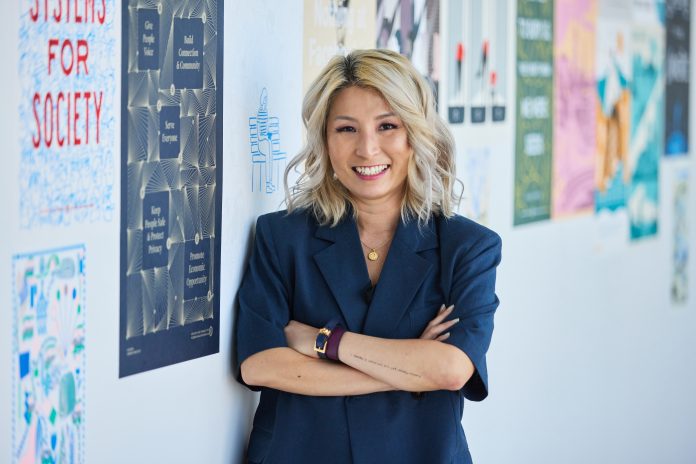
In this exclusive interview, Theresa Ong, Head of Creative Shop, SEA & India at Meta, shares her insights on the evolving intersection of creativity, technology, and cultural storytelling across Asia. Drawing from her journey across top global agencies and leadership roles in China, Singapore, and India, she unpacks how AI, immersive media, and cross-cultural perspectives are reshaping creative strategy. She reflects on leading diverse teams, balancing global consistency with local relevance, and the future of people-centered, technology-driven storytelling. With bold views on mentorship, authentic creativity, and empowering women in the industry, Theresa’s story is one of vision, adaptability, and cultural intelligence in a fast-evolving digital landscape.
With Meta’s recent $14B investment in Scale AI and the launch of Meta Superintelligence Labs, how do you see creative storytelling evolving when AI becomes a co-pilot in both ideation and production? What excites or challenges you the most as a creative leader in this AI-first chapter?
As AI takes on a more integral role in ideation and production, I’m excited to see how it will supercharge creative storytelling. With AI-driven tools, we can amplify creativity, personalize experiences, and generate unique content that resonates with audiences. What gets me pumped is the potential for enhanced creativity – AI can crunch data, spit out new ideas, and automate the mundane stuff, freeing us up to focus on the big-picture thinking. And let’s be real, when you have a good personalized experience, the more likely you’re going to hit the purchase button.
AI-driven content can make audiences feel seen and heard, driving engagement and loyalty. But, I’m also aware of the challenges – we need to ensure AI-generated content doesn’t lose that human touch and tackle the tricky questions around bias and transparency. It’s a balancing act, but one that’s worth the innovative storytelling possibilities.
Ray-Ban Meta smart glasses saw a 3x revenue surge in 2025, supported by Meta’s equity move in EssilorLuxottica. How do you envision wearables influencing storytelling in culturally layered markets like India and Southeast Asia? Are there campaigns or formats you think are ripe for reinvention here?
Wearables like Ray-Ban Meta smart glasses are going to change the game for storytelling in diverse markets. With AI-powered wearables, brands can craft immersive experiences that feel tailor-made for different audiences. I’m excited to see how this tech can be used for interactive storytelling – imagine location-based narratives that unfold in real-time, or cultural storytelling that showcases local traditions and customs in a way that feels authentic and engaging. And with Meta’s push for clean energy, sustainability narratives are going to become a major focus for brands, especially among younger audiences who care deeply about the planet. This opens up opportunities for eco-friendly storytelling and highlighting innovative green technologies. It’s a chance for brands to show their values and commitment to sustainability in a way that’s both creative and impactful.
“For women in Tech: the glass ceiling isn’t a lid, it’s a catalyst. Harness the friction, and blast past expectations.“
Over the past decade, you’ve led creative growth across China, Singapore, and India. With your current dual role spanning SEA and India, what’s one cultural insight from each region that fundamentally shapes how you build for Meta today?
Working across China, Singapore, and India has been a crash course in cultural nuances. I’ve learned that in China, respect and hierarchy are everything in business relationships, while in Singapore, it’s all about blending Eastern and Western values. And in India, the diversity is staggering – from languages to customs to traditions, there’s no one-size-fits-all approach. This experience has shaped my approach to storytelling and leading teams. I’ve come to realize the importance of cultural sensitivity – understanding what works locally and adapting my approach accordingly, even within leadership.
And when it comes to brainstorming, I make sure to encourage diverse perspectives and ideas. It’s amazing how different viewpoints can come together to create something truly innovative and effective. For me, it’s all about being open to new ways of thinking and embracing the complexity of different cultures
You’ve gone from junior copywriter to leading creative across India and Southeast Asia. What’s one decision early in your career that unknowingly shaped everything after?
One decision that unknowingly charged my career trajectory was embracing opportunities to work with diverse teams and collaborate with people from various backgrounds. By doing so, I developed an understanding of different perspectives and learned to harness the power of collective creativity. This experience taught me that it’s not just about the projects or roles, but about the people you work with and the stories you help tell. It’s this people-centric approach that has allowed me to build strong relationships, lead teams with empathy, and drive creative solutions that resonate with audiences. By putting people at the centre, I’ve become a more effective and inspiring creative leader, and I believe that’s what’s truly driven my growth and success.
You’ve grown into one of the most prominent creative leaders in APAC. What advice would you give to young women entering the industry today?
To young women entering the industry, I want to say that your self-awareness is your greatest strength, not a weakness. Don’t let anyone tell you otherwise. Know your worth, understand your values, and own your unique perspective. In a world where you are going to hear more “nos” than “yeses”, it’s your authentic voice and vision that will set you apart. Don’t be afraid to take risks, speak up, and challenge the status quo. Surround yourself with people who lift you up and push you to be your best self. And most importantly, don’t wait for permission to lead – take the reins, trust your instincts, and shape the narrative, drive innovation, and inspire change.
After years in top creative agencies, what drew you to Meta and how did you recalibrate your thinking when shifting from agency to platform?
I’m drawn to Meta’s mission to give people the power to build community and bring the world closer together. With its innovative approach to technology and creativity, it brings higher potential to democratize access to opportunities for everyone.
When I made the shift from agency to platform, I knew I’d have to recalibrate my thinking to focus on scalability, user experience, and technological advancements. But what really drives me is the prospect of using technology to bridge gaps and bring equity of experiences to diverse audiences. I believe that technology should be a force for good, and I’m passionate about harnessing its power to create more inclusive and accessible experiences that empower people and brands worldwide.
Meta’s tech + creativity intersection is evolving fast. How do you future-proof your teams and mindset for what’s next, be it AI, immersive media, or cultural shifts?
Embracing AI is about being adaptable, open to new ideas, and sensitive to diverse cultural contexts. To future-proof teams, I encourage everyone to take ownership of their growth and continuously upskill themselves. Don’t be complacent – stay curious, stay hungry for knowledge, and be willing to learn. At the same time, I want team members to bring their unique experiences and perspectives to the table. Your individuality is what makes our work stand out, so don’t be afraid to infuse your voice and creativity into every project. By combining a growth mindset with authentic storytelling, we can create work that’s not only innovative but also meaningful and impactful.